Check your media and device
Choose your input type and check operating-system and GPU support. For a first attempt, work locally with a small scene.
MakeWorlds Studio
Prepare your media, reconstruct, refine and choose how to deliver.
Open the app and allow camera access. Start in a small, evenly lit room. Move slowly, check the coverage and hints, then save your scan.
Open scan receiving on your computer, read its connection code with your phone and send. You can also export the scan file with AirDrop or Files.
Import into a version of MakeWorlds Studio that supports scan files. Reconstruct and train, then inspect, edit and export the result.
Desktop downloads are not open on this site yet. To continue, use a desktop version that supports scan file import.
Follow the eight introductory lessons, then explore practical capture demonstrations for 360 cameras, phones and drones.
Playing connects to YouTube, which may process your IP address and use cookies. This is separate from website analytics.
Choose your input type and check operating-system and GPU support. For a first attempt, work locally with a small scene.
Group the media for one scene and check that the original files open correctly. Exclude clearly blurred or unrelated views from the input, and check coverage along the viewpoints you want to explore.
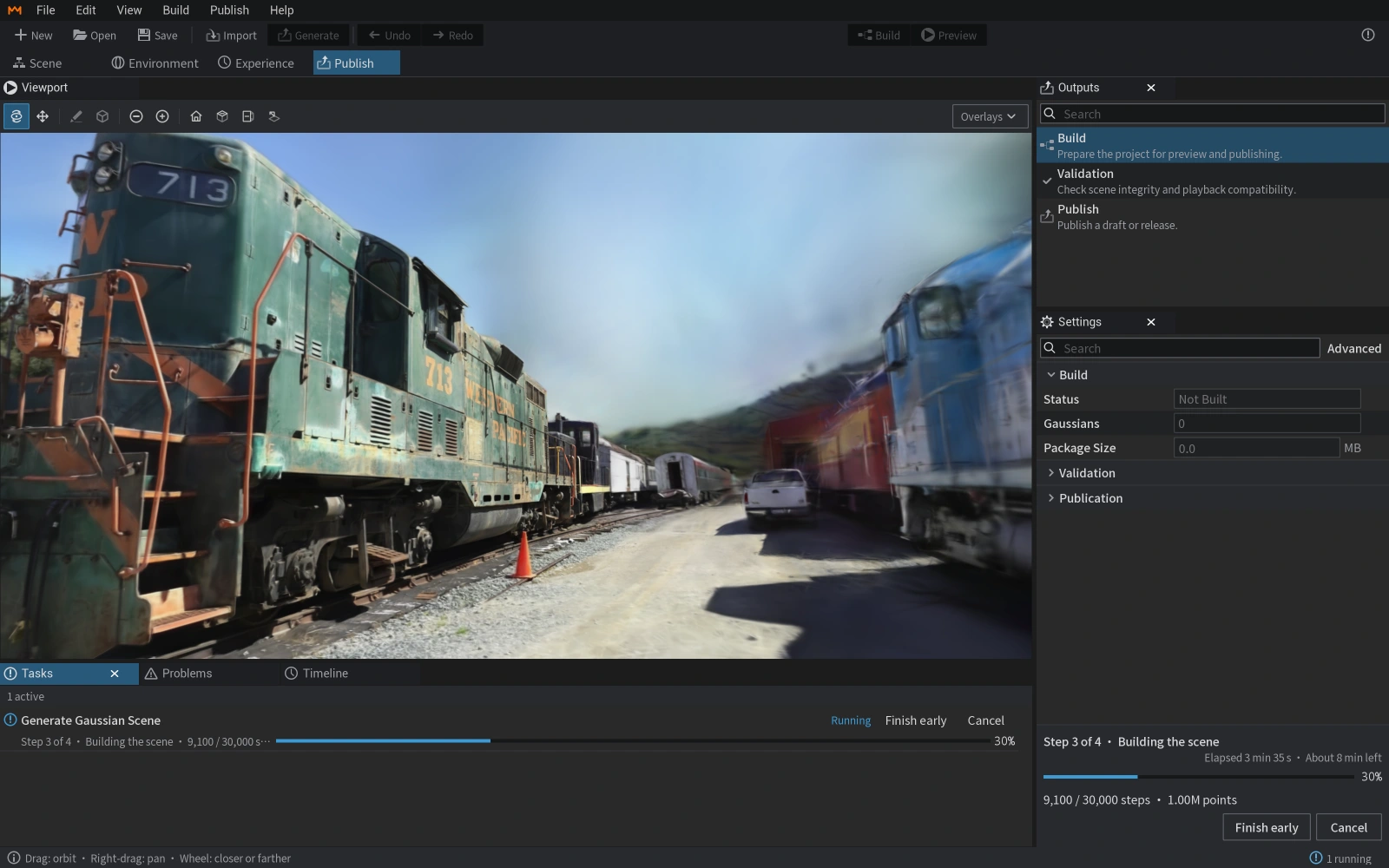
Choose the matching input type in MakeWorlds Studio, import your media and follow the interface through reconstruction and training. Processing time depends on your media, device and scene size.
Inspect the subject, edges and gaps from the viewpoints you need. Remove unwanted content and save the project. After exporting Gaussian PLY, check how it appears in the receiving tool that supports Gaussian data.
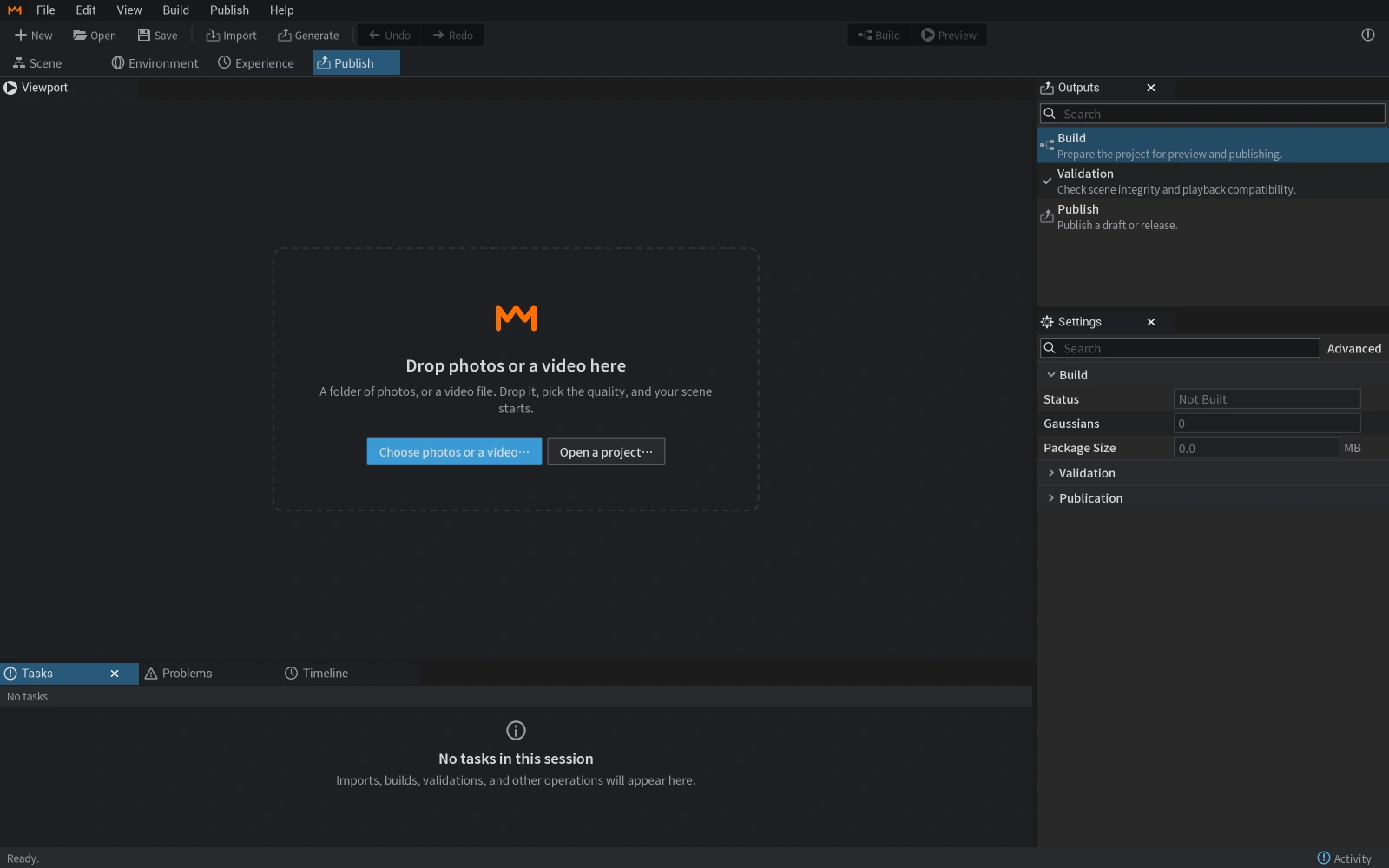
Check the operating system, GPU, memory and storage. Before working on a large scene, test your device and workflow with a small subset of media.
View system requirementsPlaying connects to YouTube, which may process your IP address and use cookies. This is separate from website analytics.
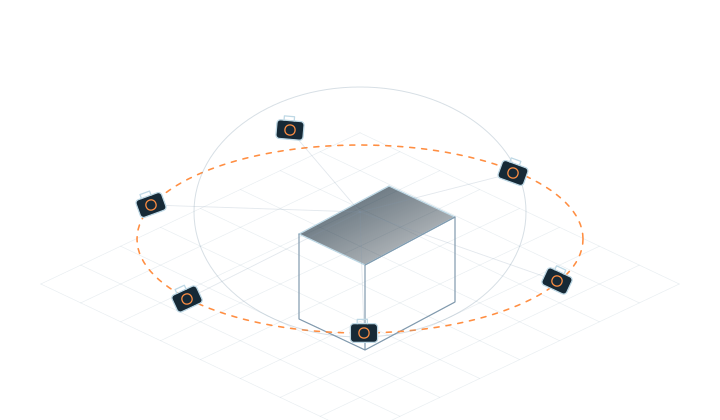
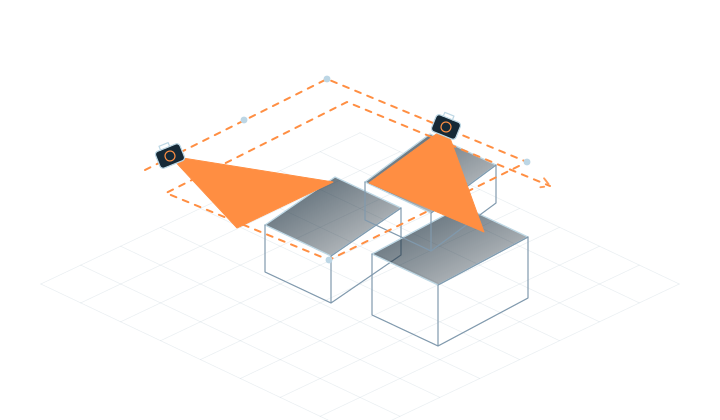
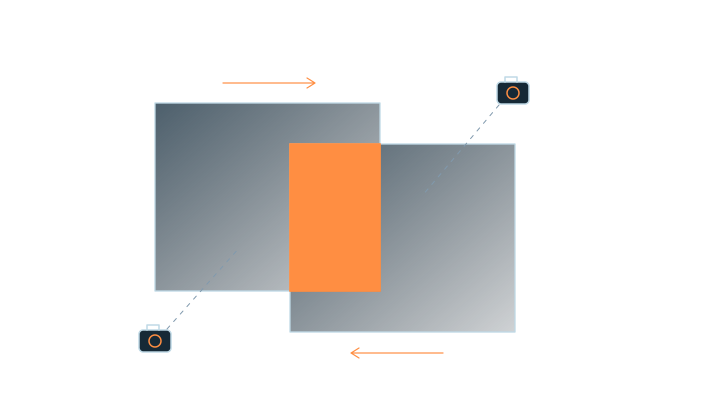
Capture the subject from different positions, keeping shared content in neighboring views and covering the sides you want to see.
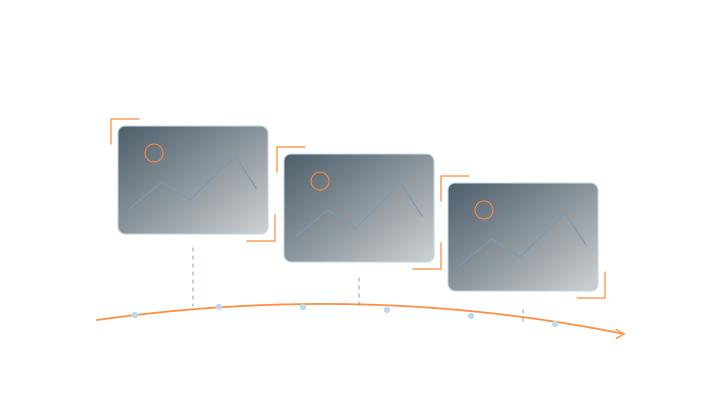
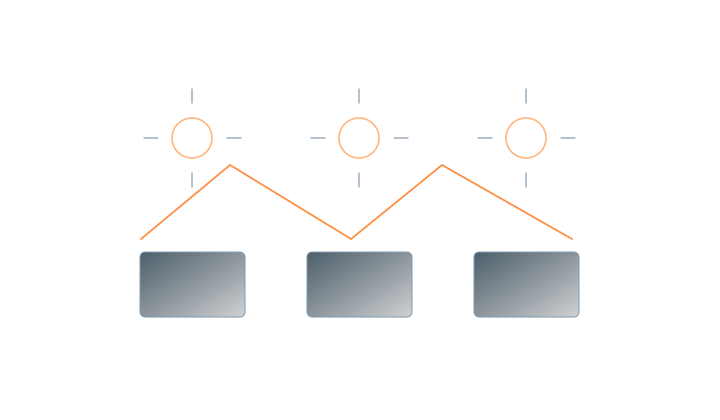
Move slowly and steadily to reduce motion blur and sudden exposure changes, and avoid moving subjects where possible.
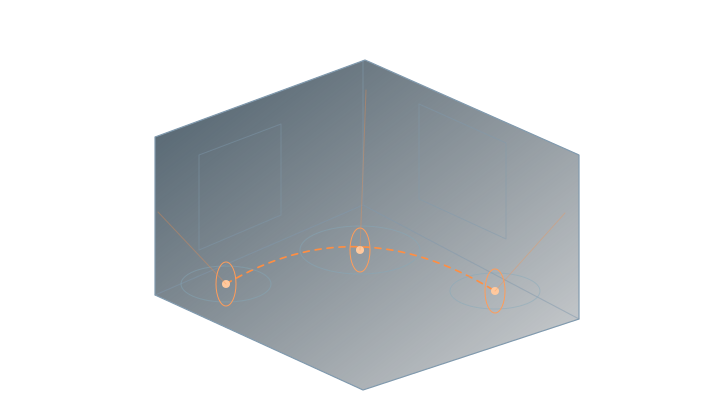
Keep lighting and exposure consistent, and avoid moving subjects and sudden brightness changes.
Learn the process with a small scene. After reconstruction, check subject coverage, the viewpoints you need and any blurred or floating regions.
If the result is weak, review sharpness, overlap and viewpoint coverage. Missing capture information will often require additional footage.
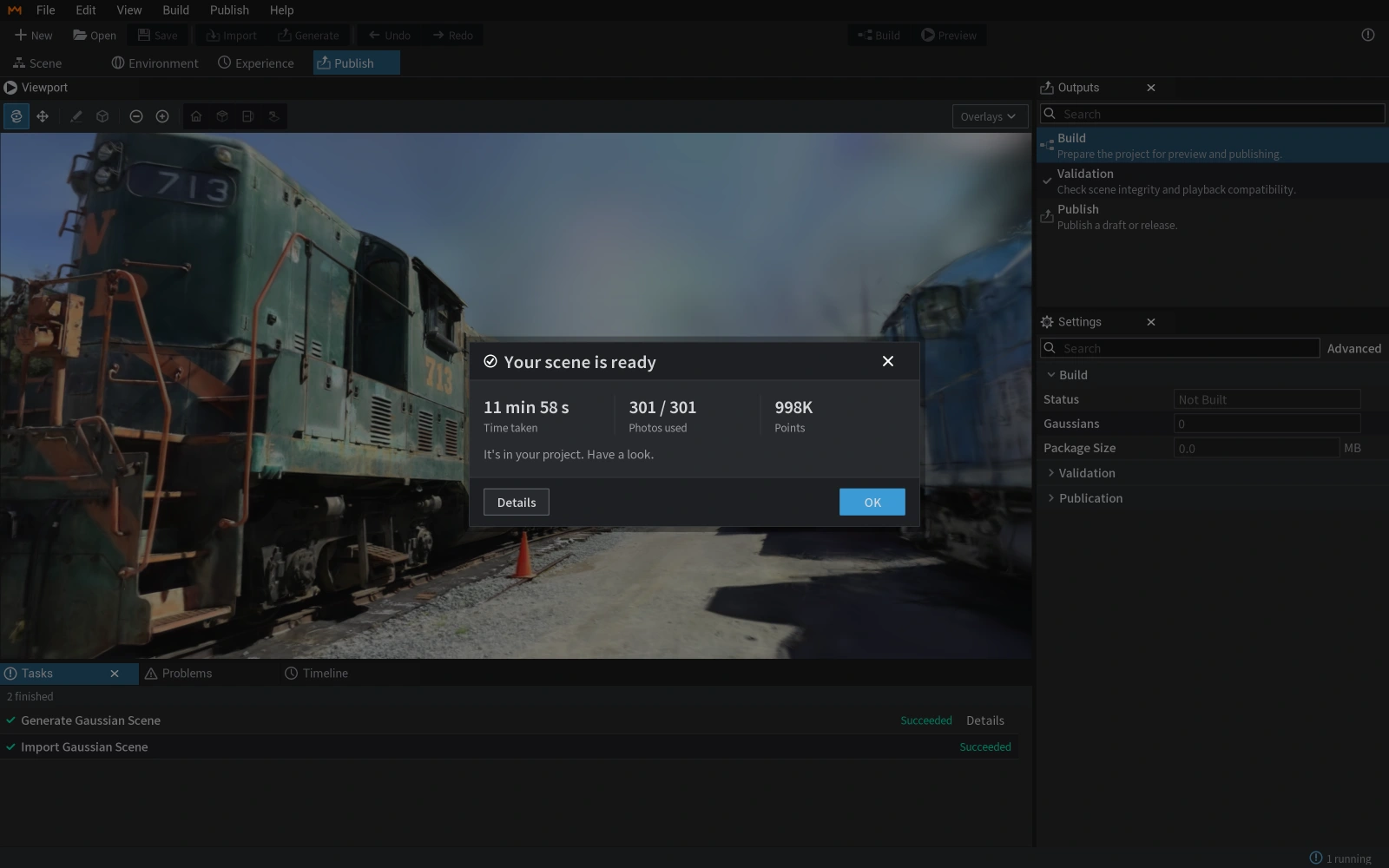
Playing connects to YouTube, which may process your IP address and use cookies. This is separate from website analytics.
Remove unwanted background and floating regions, save the project and export the files you need. Open and inspect the result in the recipient’s software before delivery.
Gaussian PLY requires a viewer or editor that supports Gaussian data. Confirm compatibility with the destination software and version.
Explore editing and export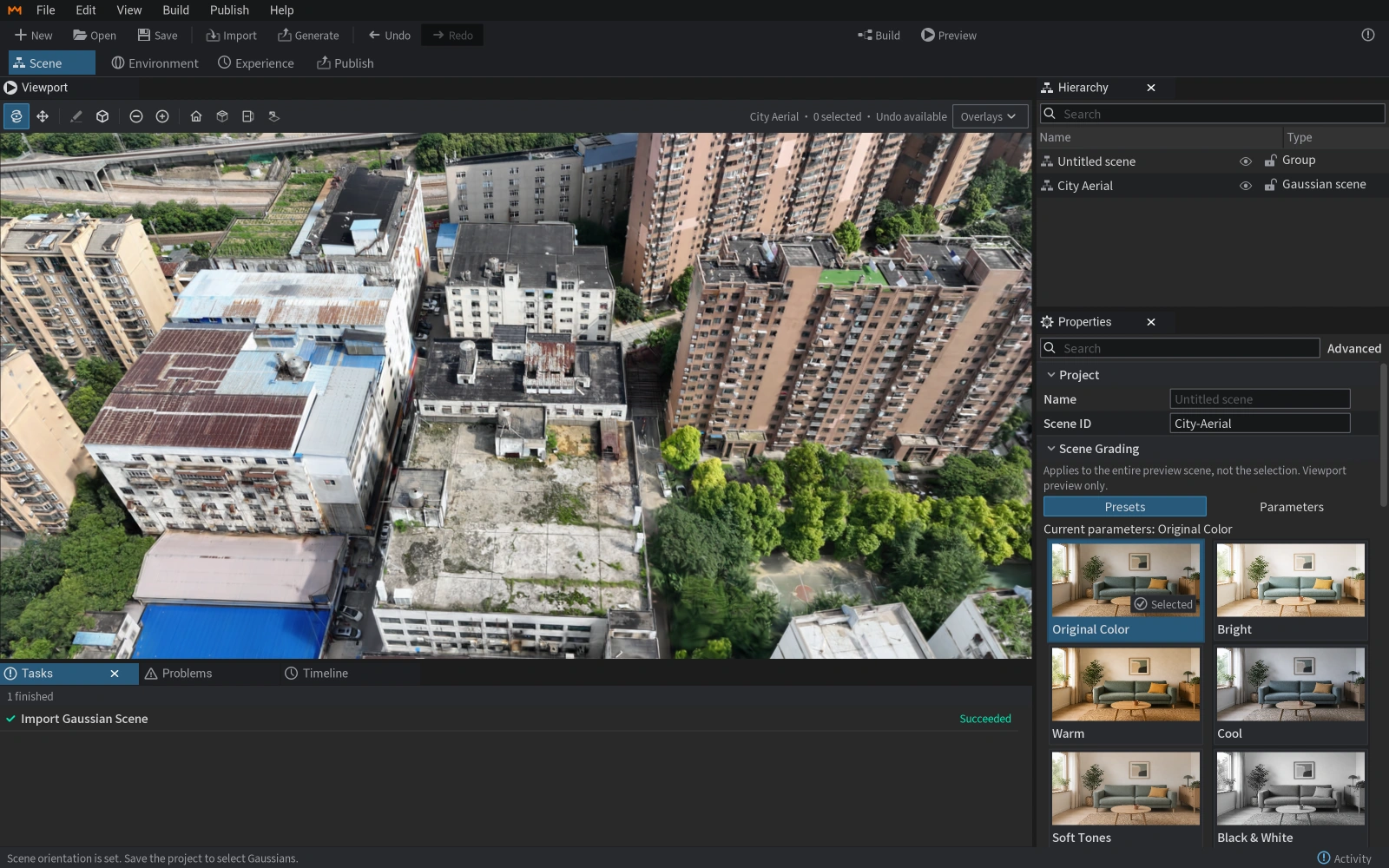
Playing connects to YouTube, which may process your IP address and use cookies. This is separate from website analytics.
Free Standard includes local reconstruction and training, basic editing and PLY delivery.
Professional, Subscription, Enterprise and Premium are coming soon. Commercial licensing is not open yet.
View editions and availabilityMakeWorlds Studio · Standard
Reconstruct, train and make basic edits on your own computer.